What this guide covers
- Why Expats Are Choosing to Live in Larnaca
- The Cost of Living in Larnaca in 2026
- Best Neighborhoods to Live in Larnaca
- Finikoudes and the City Center
- Mackenzie
- Oroklini
- Faneromeni, Drosia and the Suburbs
- What the Larnaca Property Market Looks Like
- The €415 Million Port and Marina Redevelopment
- Weather, Lifestyle and Daily Life
- Getting Around and Connectivity
- The Pros and Cons of Living in Larnaca
- Making the Move to Larnaca
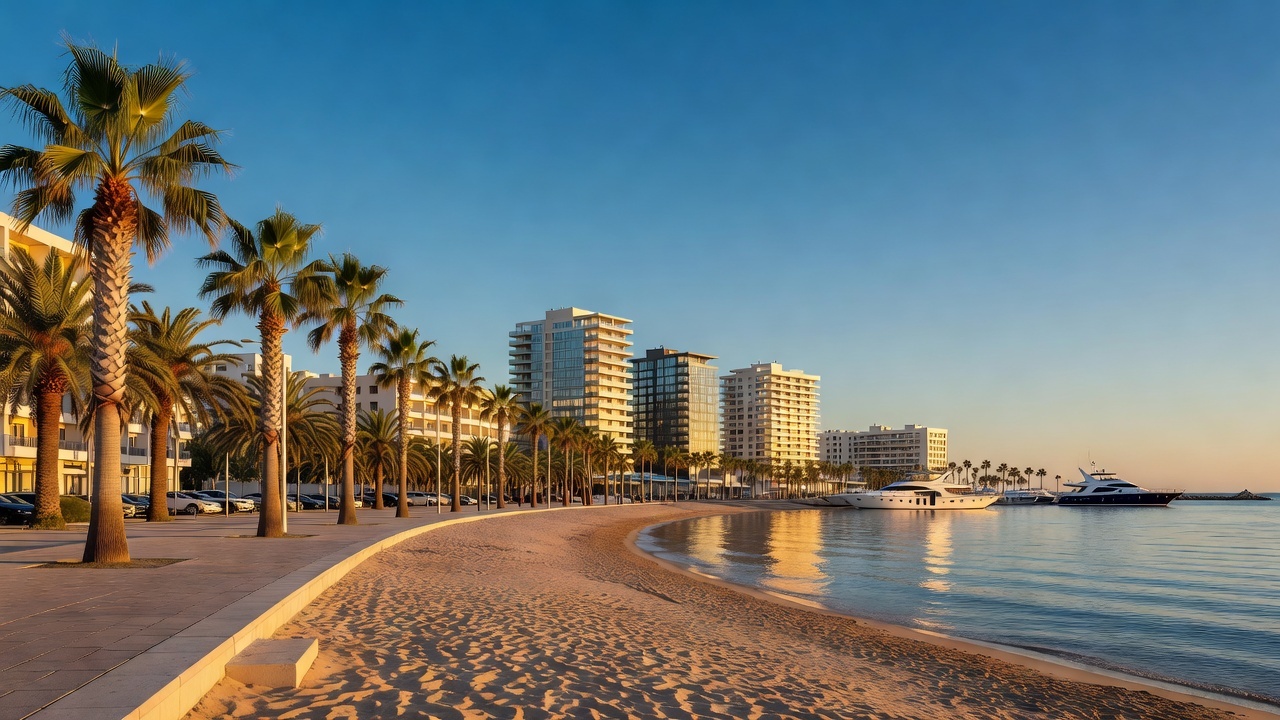
Thinking about living in Larnaca? You’re looking at Cyprus’ most underrated coastal city — a place where a palm-lined seafront, the island’s main international airport, and property prices 20–30% below Limassol all sit within a 15-minute drive of each other. Larnaca has quietly become one of the most popular landing spots for expats, remote workers, and retirees who want the Mediterranean lifestyle without the Limassol price tag.
This guide breaks down exactly what life in Larnaca costs in 2026, which neighborhoods suit different budgets, what the property market looks like, and the honest pros and cons of making this laid-back city your home. Everything here is backed by current market data so you can decide with confidence.
Why Expats Are Choosing to Live in Larnaca
Larnaca is the third-largest city in Cyprus, home to roughly 85,000 people, and it wears its history lightly. The city dates back over 4,000 years to ancient Kition, yet it feels relaxed rather than touristy. That balance — real Cypriot life alongside an international community — is exactly what draws newcomers.
Expats and retirees consistently cite the same reasons for choosing Larnaca: a sunny Mediterranean climate, a lower cost of living than Limassol or Paphos, quality healthcare, low crime, and a genuinely laid-back pace. English is widely spoken, which smooths the transition for UK, Northern European, and international buyers.
Connectivity seals the deal. Larnaca International Airport is the busiest in Cyprus and sits just 10 minutes from the city center, putting most European capitals within a four-hour flight. For remote workers and frequent travelers, no other Cypriot city is this easy to get in and out of.
The Cost of Living in Larnaca in 2026
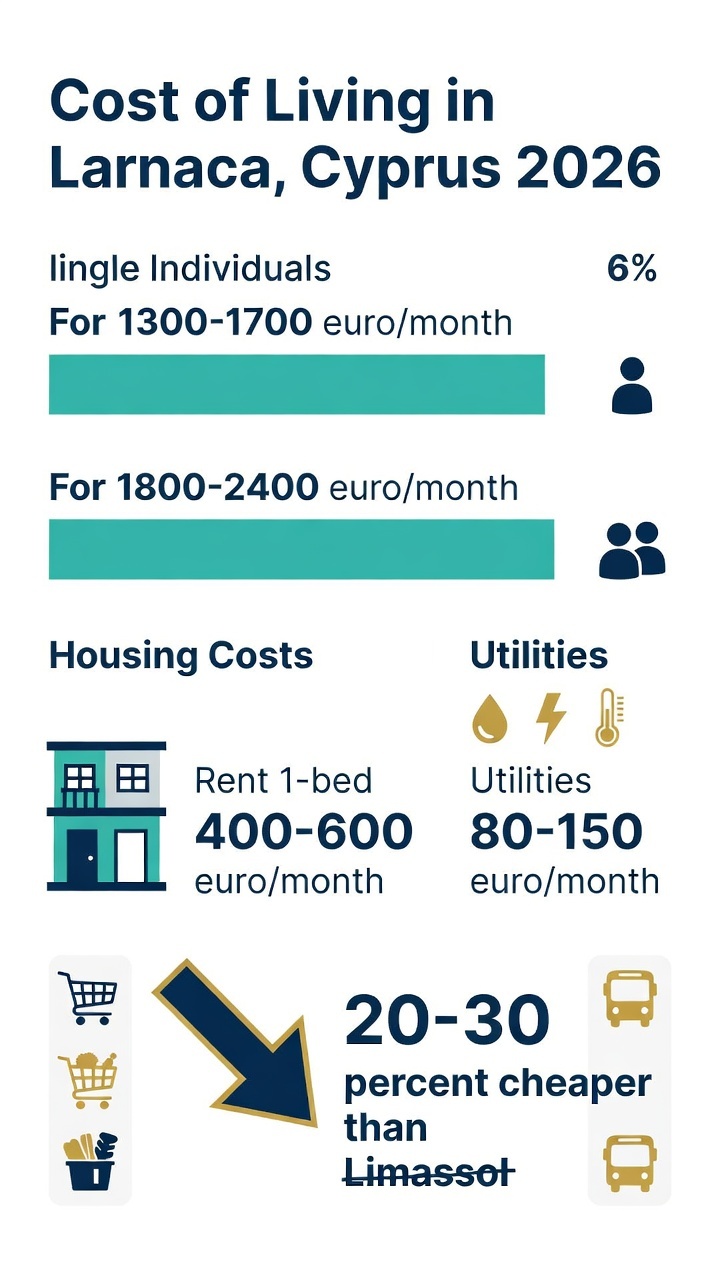
Larnaca is the most affordable of Cyprus’ major coastal cities. Compared to Limassol, you’ll pay roughly 20–30% less for equivalent housing, and rents specifically run 25–35% lower. That gap is the single biggest reason budget-conscious expats pick Larnaca over the island’s glossier hotspots.
For a realistic monthly budget in 2026, a single professional lives comfortably on €1,300–€1,700, while a couple can live well on €1,800–€2,400. These figures cover rent, food, transport, healthcare, and leisure — not a bare-bones existence.
Here’s how a typical single-person monthly budget breaks down:
| Expense | Monthly cost (2026) |
|---|---|
| Rent (1-bed, central) | €400–€600 |
| Utilities (electric, water, cooling) | €80–€150 |
| Groceries | €220–€300 |
| Transport | €50–€120 |
| Internet (fiber) | €30–€45 |
| Leisure & dining out | €150–€300 |
Groceries for one person run about €55–€75 per week, covering fresh produce, meat or fish, dairy, and household basics. Utilities are the seasonal wildcard: air conditioning in the July–August heat can push electricity bills toward the top of that €80–€150 range.
Best Neighborhoods to Live in Larnaca
Where you live shapes both your budget and your daily rhythm. Larnaca’s neighborhoods range from the buzzy seafront to quiet family suburbs, so match the area to your lifestyle.
Finikoudes and the City Center
The palm-lined Finikoudes promenade is the beating heart of Larnaca — cafés, restaurants, and shops with direct beach access and a lively year-round atmosphere. It’s the most walkable part of the city, ideal if you want to live car-free and be steps from the sea. Expect to pay a premium for that convenience.
Mackenzie
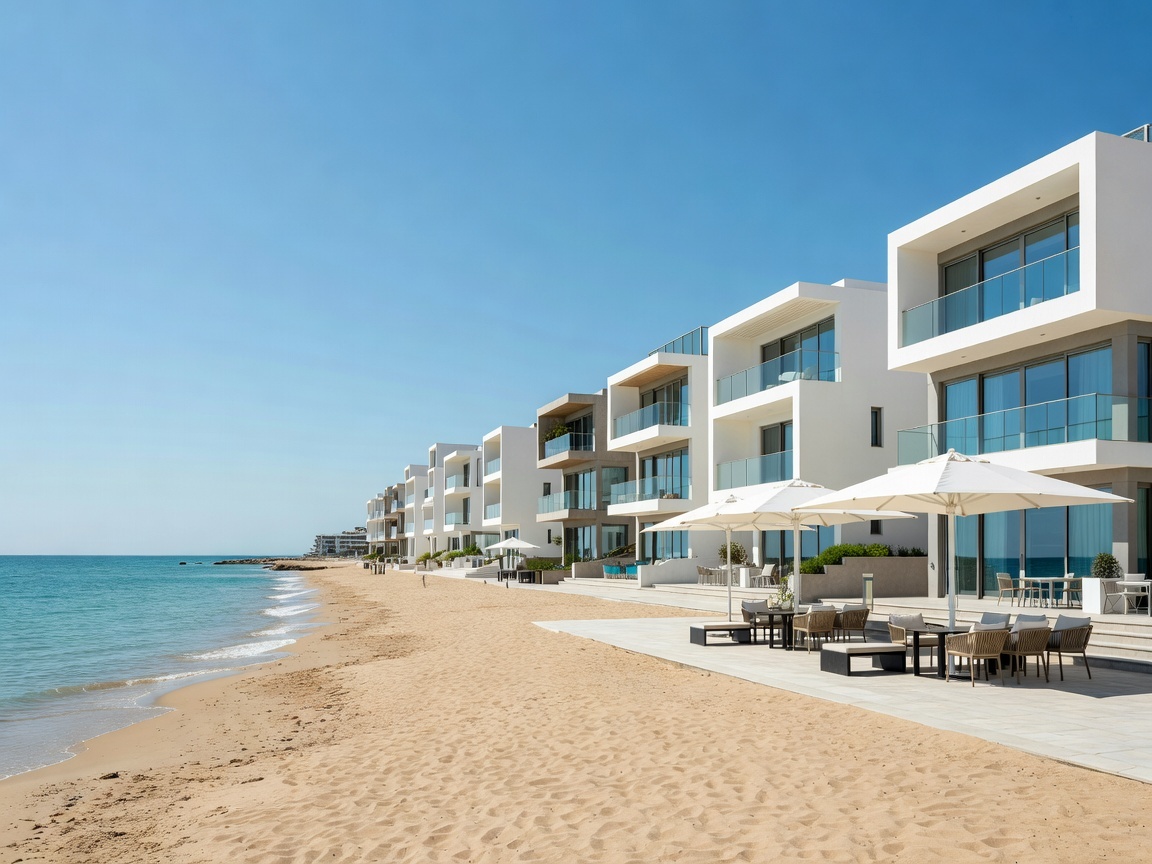
This trendy beachfront neighborhood near the airport is a magnet for expats and young professionals. Mackenzie is known for its beach bars, restaurants, and social scene, plus the practicality of being minutes from the terminal. It’s a strong pick for remote workers who value lifestyle and connectivity.
Oroklini
Northeast of the city, Oroklini is a suburban favorite for families and retirees. Set between hills and beaches, it offers a serene setting, a mix of locals and internationals, and good sports facilities — at prices below the seafront.
Faneromeni, Drosia and the Suburbs
For quieter, more residential living, the Faneromeni and Drosia districts offer calm streets and better value per square meter. These areas suit buyers who prioritize space and tranquility over nightlife, and they’re popular with long-term residents putting down roots.
What the Larnaca Property Market Looks Like
If you’re considering buying rather than renting, the numbers are compelling. Average residential property in Larnaca sits at roughly €1,330 per square meter — the most affordable among Cyprus’ main coastal districts. Apartments specifically average around €2,100–€2,400 per square meter, rising to €2,000–€3,200 near the marina.
In practical terms, a standard 90 m² resale apartment costs roughly €120,000–€160,000, while new-build and sea-view units typically range from €200,000 to €350,000. That’s a fraction of comparable Limassol pricing.
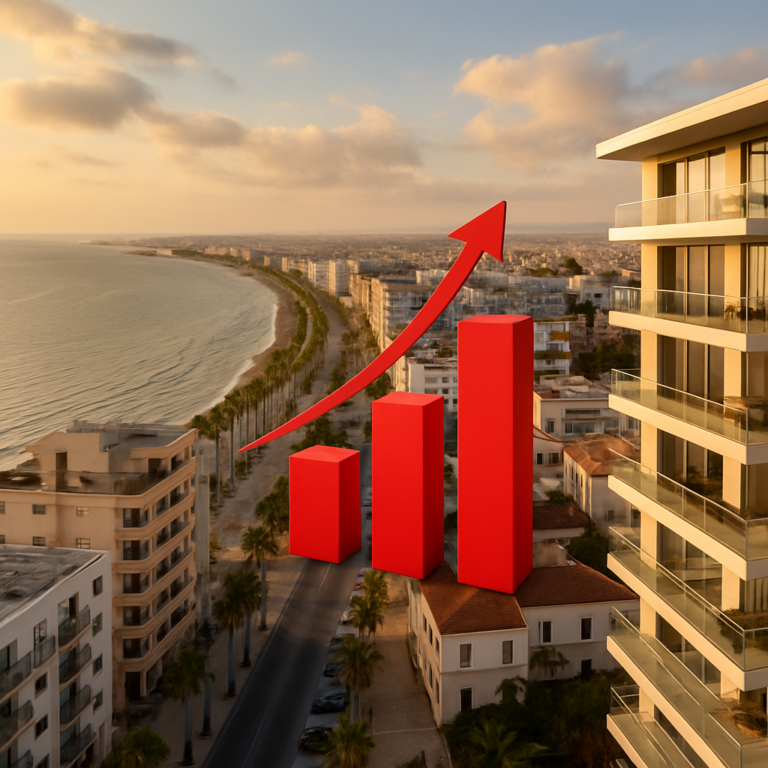
Larnaca isn’t just cheaper — it’s growing faster. Apartment prices in the district have been rising around 6–11% annually, quietly outpacing Limassol, where growth has moderated to roughly 3%. For buyers, that combination of low entry prices and strong momentum is rare.
| Property type | Typical Larnaca price (2026) |
|---|---|
| Residential average | ~€1,330 / m² |
| Standard resale apartment (90 m²) | €120,000–€160,000 |
| New-build / sea-view apartment | €200,000–€350,000 |
| Marina-area apartment | €2,000–€3,200 / m² |
If you want to explore what’s on the market, browse current properties for sale in Larnaca or check new developments and complexes in Larnaca. For a data-backed view of what you should be paying, our average 2-bedroom apartment prices for Larnaca page tracks the real numbers. Before committing to any purchase, an instant property report helps you verify a listing is fairly priced.
The €415 Million Port and Marina Redevelopment
The biggest story shaping Larnaca’s future is the long-awaited port and marina redevelopment. In July 2026, the Cyprus Ports Authority unveiled a €415 million programme with phased investment stretching to 2045 and a master plan due by 2029. The marina will expand to a 200-boat capacity, and 50,000 m² of land next to the port is earmarked for urban development.
Even in its early phases, the project is a powerful signal for buyers. Waterfront regeneration of this scale typically lifts nearby property values over time. We cover the details in our Larnaca marina redevelopment guide.
Weather, Lifestyle and Daily Life
Larnaca enjoys one of the sunniest climates in Europe, with more than 300 days of sunshine a year and mild winters where daytime temperatures rarely drop below 15°C. That’s a large part of the appeal for expats escaping grey Northern European skies.
The trade-off comes in summer. July and August temperatures can reach 40°C, and high humidity makes the peak weeks genuinely uncomfortable for anyone who struggles with heat. Air conditioning isn’t a luxury here — it’s a necessity built into daily life and your utility budget.
Day to day, life revolves around the sea and the café culture. The Finikoudes and Mackenzie beaches are Blue Flag rated, the food scene mixes traditional tavernas with international options, and the compact city means errands rarely take long. For remote workers, fiber-to-the-home is available across most neighborhoods with speeds up to 1 Gb/s, and co-working spaces have sprung up to serve the growing digital-nomad community.
Take a walk through the city and its seafront in this recent tour of Larnaca:
Getting Around and Connectivity
Larnaca’s small footprint is one of its quiet superpowers. If you live centrally around Finikoudes or Mackenzie, you can handle most daily life on foot. The seafront, shops, restaurants, and beach are all within walking distance.
Beyond the center, a car becomes far more practical. Public buses exist but run infrequently and don’t cover every suburb well, so residents in Oroklini, the Dhekelia corridor, or outlying areas almost always drive. The upside is that Cyprus’ road network is excellent and traffic is light by European standards — Limassol is under an hour away, Nicosia about 45 minutes.
The airport remains the headline advantage. Being 10 minutes from Cyprus’ main international gateway means weekend trips across Europe are genuinely feasible, and visiting family abroad never turns into an all-day expedition.
The Pros and Cons of Living in Larnaca
No city is perfect, and honest expectations make for happier residents. Here’s the balanced view.
The advantages:
- Lowest cost of living among Cyprus’ coastal cities — 20–30% cheaper than Limassol
- Larnaca International Airport just 10 minutes away
- Walkable, compact, and beach-centric daily life
- Strong property value growth with low entry prices
- Widely spoken English, low crime, and quality healthcare
- Excellent fiber internet for remote work
The trade-offs:
- Fierce summer heat and humidity in July and August
- Fewer large employers, so it’s better for remote workers, retirees, and freelancers than local career-builders
- Public transport is limited; a car is recommended outside the center
- Seasonal water-conservation awareness during peak summer
For many people, the calculus is straightforward: if you have location-independent income or you’re retiring, Larnaca delivers more lifestyle per euro than anywhere else on the island. If you need a corporate career ladder, Limassol or Nicosia may suit you better.
Making the Move to Larnaca
Living in Larnaca offers a rare combination in the Mediterranean: genuine affordability, a walkable coastal lifestyle, unbeatable flight connectivity, and a property market that’s rising rather than plateauing. For expats, remote workers, and retirees, it’s one of the smartest-value moves in Cyprus in 2026.
Here are the key takeaways to carry forward:
- Budget €1,300–€1,700 monthly as a single person, or €1,800–€2,400 as a couple
- Expect to pay 20–30% less than Limassol for equivalent housing
- Match your neighborhood to your priorities: Finikoudes for walkability, Mackenzie for lifestyle, Oroklini for family calm
- Watch the €415M port and marina redevelopment as a long-term value driver
- Plan for a car if you settle outside the center
If Larnaca is on your shortlist, start by exploring properties for sale in Larnaca and reading our broader guide to relocating to Cyprus. When you find a property you like, book a professional property inspection to make sure you know exactly what you’re buying. With the right data behind you, making Larnaca home is simpler than you might think.
More about Larnaca
Larnaca Marina Development Set to Move Forward Amid Legal Adjustments The long-awaited development of Larnaca Marina is now on a clearer path…
Larnaca Property Market Surges: Which Areas Are Leading the Price Rise? Larnaca’s property market has experienced a notable surge in prices recently,…
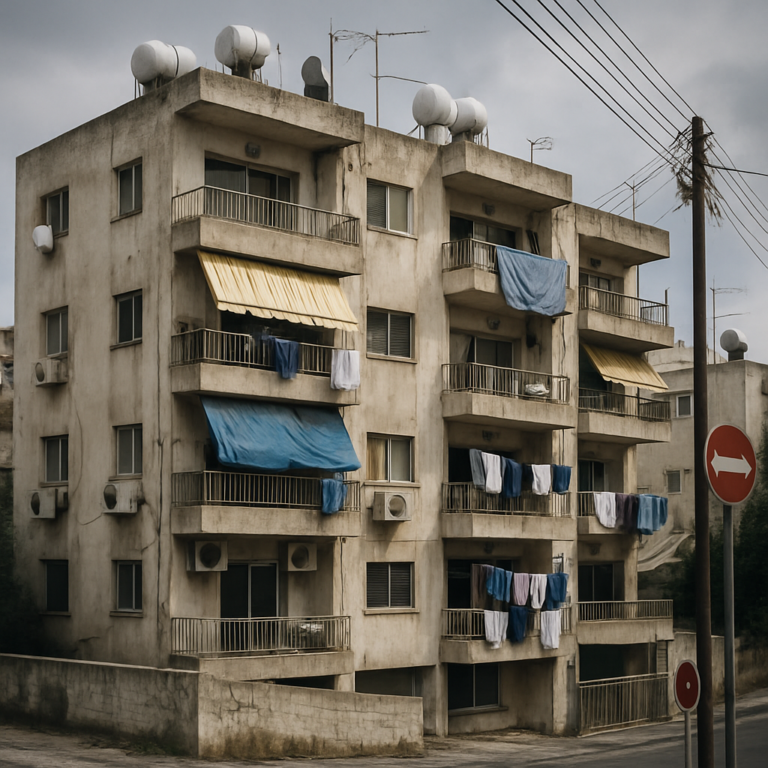
Larnaca Apartment Complex Faces Serious Allegations Over Illegal Utilities and Unauthorized Rentals Recently, the Management Committee of a prominent apartment complex in…
Keep reading

We analysed 576 Pareklisia, Limassol listings: 188 houses, 175 apartments and 122 plots. Median house asks EUR965,000. See prices by size and…
Larnaca Marina Development Set to Move Forward Amid Legal Adjustments The long-awaited development of Larnaca Marina is now on a clearer path…

We analysed 249 Kouklia, Paphos listings: 210 houses, 20 plots and 6 apartments. Median 2-bed house asks EUR397,000. See prices, plots and…