
What this guide covers
Concerns Mount Over Coastal Land Acquisitions by Third-Country Nationals in Cyprus
Recent warnings from Cypriot parliamentarians have spotlighted significant land acquisitions along key coastal areas by third-country nationals. These transactions, often routed through complex ownership structures, are prompting questions about national security, transparency in the real estate market, and the growing challenge of housing affordability.
Key Coastal Regions Under Scrutiny
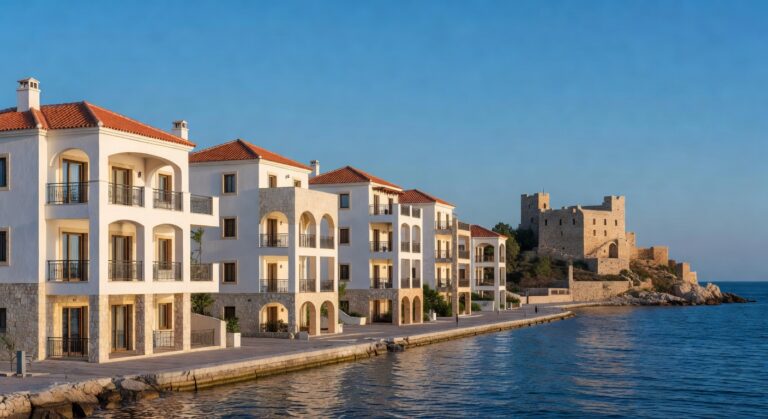
Lawmakers particularly noted expansive plots exchanged hands along the Larnaca coast, stretching from the former refinery zone to Dhekelia, and areas in Limassol, especially around Lady’s Mile. Stefanou, AKEL’s general secretary, emphasized during a Parliamentary Interior Committee hearing that the volume of land sales to foreign parties east of Larnaca and west of Limassol has been substantial.
More Than Just Residential Properties
The trend extends beyond residential buildings. MPs revealed third-country investors are acquiring diverse assets, including hotels, hospitals, commercial premises, and properties in city centers. This broad spectrum of investments complicates market dynamics and adds layers of complexity to property ownership transparency.
Illegal Practices and Market Regulation Challenges
Concerns have been raised about unlicensed activities by third-country nationals masquerading as business consultants or project managers to facilitate property deals. DISY MP Nikos Georgiou highlighted a pattern of individuals frequenting district offices, leveraging these roles to operate without proper oversight. In response, he advocates for a comprehensive registry for estate agents, lawyers, and accountants under anti-money laundering laws to enhance accountability.
Meanwhile, Stavros Papadouris of the Greens pointed out that numerous land development firms are effectively foreign-owned, often executing sales abroad, with some transactions lacking proper registration until properties change hands again. This practice dilutes market transparency and complicates regulatory monitoring.
Legislative Efforts to Curb Large-Scale Acquisitions
These issues surfaced during discussions on proposed laws aimed at limiting sizeable land purchases by third-country nationals and blocking acquisitions by companies representing foreign interests, especially near strategically sensitive areas. The goal is to better safeguard Cyprus’ real estate landscape, ensuring market stability and protecting critical infrastructure.
The Impact of Past Policies and Market Trends
Lawmakers pointed to the role of formerly lenient regulations and the now-abolished golden passports program in fuelling rapid price hikes, which have adversely affected affordability for local residents. The sudden influx of high-rise developments has further intensified pressure on the housing market, making it crucial for buyers to explore options carefully.
If you’re looking for affordable entry points into Cyprus’ real estate market, explore our Cheap Houses and Villas for Sale Cyprus or browse Cheap Apartments for Sale Cyprus for budget-friendly investments.
Looking Ahead
Balancing foreign investment benefits with national security and housing access remains a priority for Cypriot lawmakers and market stakeholders. For those interested in investing, staying informed about evolving regulations and market trends is critical to making sound decisions in Cyprus’ dynamic property sector.
Keep reading
New Homes in Cyprus: Are Services Ready for Growing Families? In the first seven months of 2026, Cyprus saw building permits approved…
Cyprus Building Material Prices Surge 4.09% in October 2026 Driven by Metals and Electrical Components Building material costs in Cyprus climbed by…
Anavargos property prices from 202 live listings: 2-bed flats €335,000, 3-bed houses €435,000, land, offices and how it compares with Mesogi and…