What this guide covers
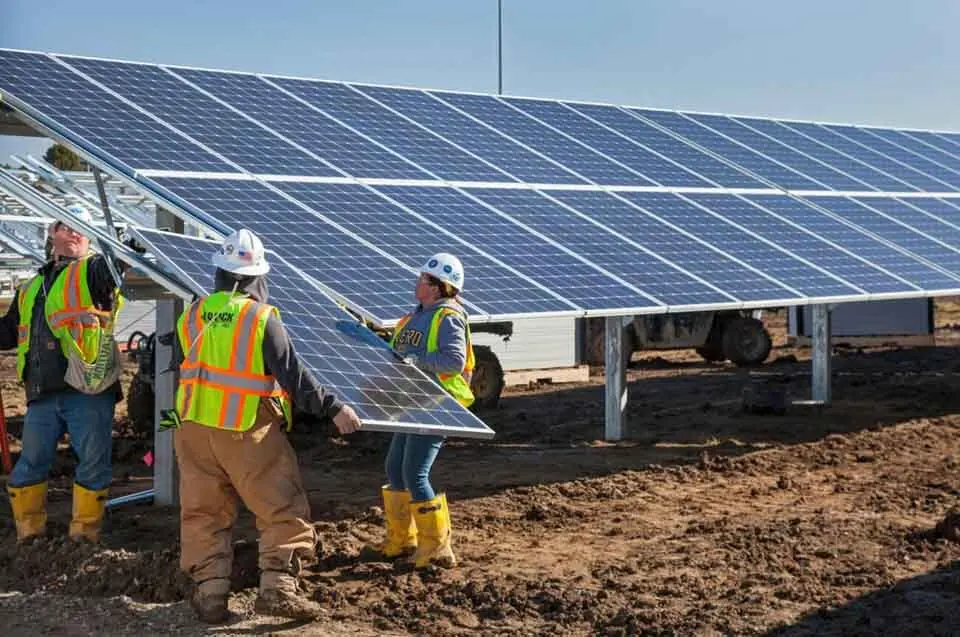
The Federation of Environmental Organisations (Opok) has voiced strong opposition to the planned construction and operation of a large photovoltaic (PV) park in the Lythrodontas, Kataliondas, and Mathiatis areas. The proposed 180MW project, which would encroach on biodiverse and forested land near Natura 2000 sites, has drawn widespread concern from local authorities, the hunter’s federation, and the affected communities.
In a statement, Opok emphasized that areas adjacent to Natura 2000 sites, known for their rich biodiversity and forest cover, are inappropriate locations for such extensive PV installations. The federation’s concerns were detailed in a memorandum submitted to relevant authorities, ministries, and the parliamentary environment committee.
Local Resistance: Villagers Prioritize Trees Over Photovoltaics
Opok highlighted the ecological significance of the proposed site, which encompasses five distinct habitats. According to the Environmental Impact Assessment (EIA) for the project, the development would necessitate the felling of 1,400 pine and other trees, severely impacting birdlife and over 50 other species, including eight protected species.
The southern edge of the proposed PV park would border a Natura 2000 area along the Gialia River, home to ten different ecosystems and various species of flora, reptiles, birds, and bats. The potential disruption to this delicate environment has fueled local resistance to the project.
Furthermore, three additional PV projects are proposed in the same region—one 800 meters away, another 1.5 kilometers away, and a third 2.5 kilometers away. Despite the environmental concerns, the environment department has not opposed any of these projects, with one already granted a permit, illustrating what Opok describes as the chaotic state of land use regulation in Cyprus.
The Need for Sustainable Land Use Planning
Opok has raised alarm over the scale and location of the proposed PV park, which would span 22 plots, primarily on state-owned land. The development would cover 3.4 square kilometers, with installations occupying 2.5 square kilometers, in an area surrounded by agricultural land, livestock farming, and almond tree cultivation. The proposed PV park would lie between 700 meters and 3 kilometers from nearby communities, further intensifying local concerns.
Additionally, the proposed site includes Turkish Cypriot lands used for cultivation and other unzoned lands, complicating the legal and ethical considerations of the project. Opok argues that this situation underscores the urgent need for a comprehensive overhaul of land use, planning, and urban development policies in Cyprus to ensure alignment with sustainable development and environmental protection principles.
“There is an urgent need to develop a comprehensive zoning policy to regulate and control development, establish a framework for land use, and delineate areas for the protection and preservation of the country’s natural and cultural heritage,” Opok stated.
Stricter Criteria Needed for PV Park Developments
Opok concluded that stringent criteria must be imposed on future PV park developments, taking into account the full range of environmental and social impacts. Environmental groups have long warned against the unchecked appropriation of large tracts of land for PV parks. Past objections from various communities, as well as unfulfilled promises of integrating agrivoltaics (a combination of agriculture and solar power generation), highlight the need for more careful planning and execution.
PV park investors often target flat, easily accessible land near transmission lines, which is why agriculturally zoned areas close to communities are highly sought after. However, this approach risks further marginalizing agricultural land and undermining the sustainability of local communities.
In the face of these challenges, Opok and other environmental advocates are calling for a balanced approach that prioritizes the protection of Cyprus’s natural and cultural heritage while promoting sustainable energy development.
source: cyprus-mail.com
More about Lythrodontas
We analysed 19 Lythrodontas, Nicosia listings: 14 are land, houses ask EUR70k to EUR700k and small plots sit near EUR100 per sqm.…
Keep reading

The government’s Ktizo plan has launched its initial phase, aimed at enhancing living conditions in refugee estates across Cyprus. Interior Minister Constantinos…
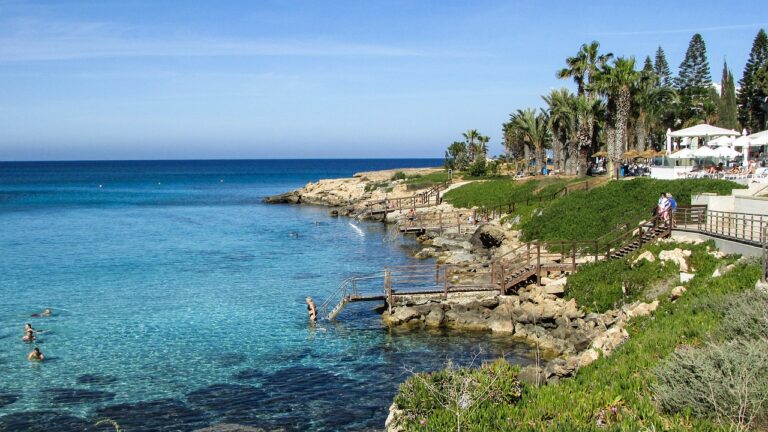
Cyprus’ Environment Commissioner, Antonia Theodosiou, has proposed a ban on construction within 100 metres of the coast, aligning Cyprus’ laws with the…

In today’s competitive real estate landscape, forming strategic alliances is key to staying ahead. As one of Cyprus’s leading real estate platforms,…