What this guide covers
- Why Are Israelis Choosing Cyprus More Than Ever?
- Demographics and Property Trends
- Significant Israeli Investments in Cyprus Projects
- The Emergence of an Israeli Community in Cyprus
- Balancing Foreign Investment with Local Concerns
- Proposed Legislative Measures on Foreign Land Purchases
- Looking Forward
Israelis Increasingly Invest in Cyprus Real Estate Amid Rising Uncertainty
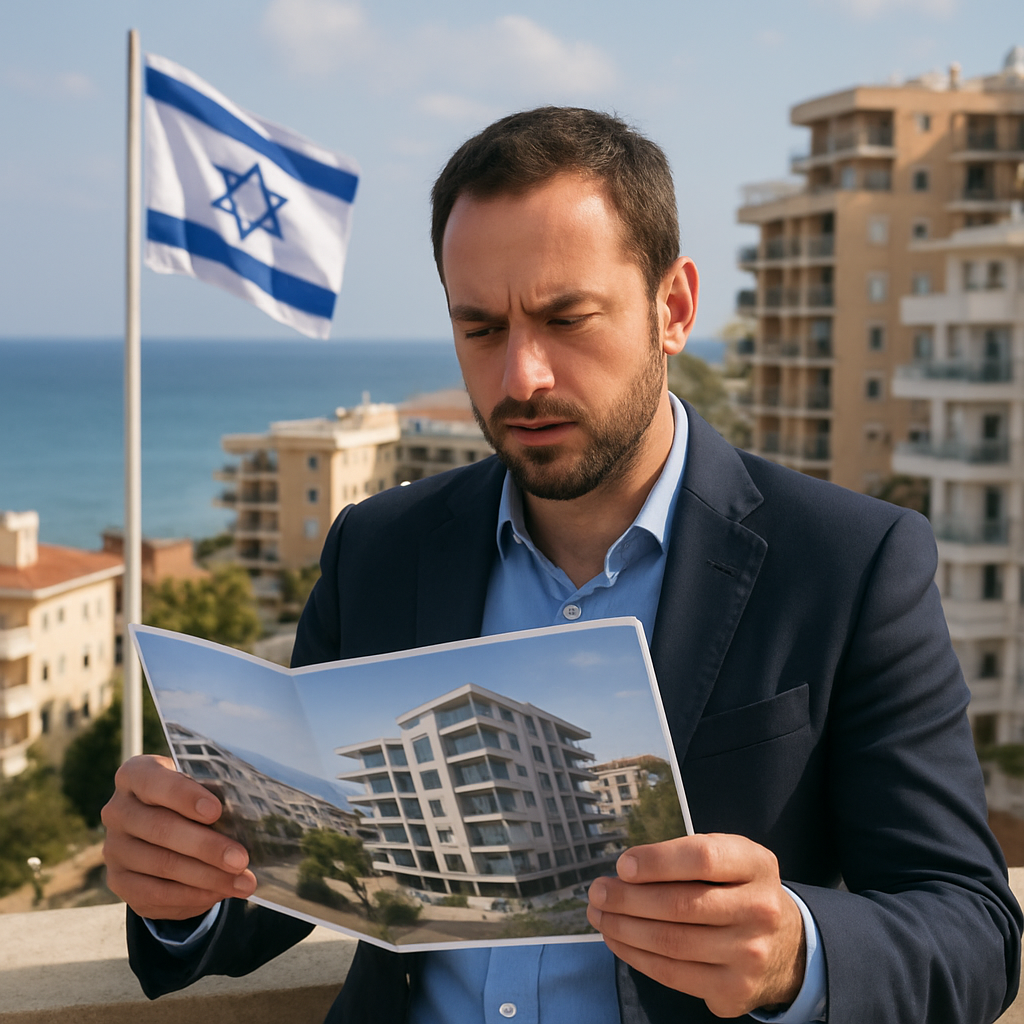
In recent years, Cyprus has witnessed a notable uptick in property acquisitions, business investments, and permanent relocations by Israeli nationals. This growing influx is injecting vital capital into Cyprus’s economy but also sparking complex discussions on housing affordability, land ownership, and foreign influence on the island.
Why Are Israelis Choosing Cyprus More Than Ever?
The ongoing instability in Israel since the events of October 7, 2023, alongside subsequent conflicts, has prompted many Israelis to reconsider Cyprus not just as a vacation spot or investment option but as a viable long-term residence or fallback plan.
One recent buyer in Limassol shared anonymously, “I want to secure a Plan B if the situation in Israel worsens.” Others cite the island’s proximity—a short 40-minute flight away—and its similar Mediterranean climate as key draws. Business factors are also significant; Israeli companies are relocating operations to Cyprus to leverage easier access to the European Union market.
Demographics and Property Trends
With a population under one million, Cyprus currently hosts an estimated 3,000 Israeli families permanently, with several hundred more arriving annually, according to Israeli media sources. Property ownership figures reveal that tens of thousands of Israelis possess real estate on the island, many holding second homes or vacation residences.
Between 2021 and early 2024, Cyprus Land Registry data recorded nearly 3,900 property sales involving Israeli buyers concentrated in coastal areas such as Larnaca, Paphos, and Limassol.
Significant Israeli Investments in Cyprus Projects
Israeli capital extends beyond residential homes. Tourism and large-scale projects have drawn substantial Israeli investment. Fattal Hotels, for instance, has pumped hundreds of millions of euros into hotel developments throughout Limassol, Paphos, and Larnaca.
Noteworthy projects include the redevelopment of Larnaca’s historic Palm Beach hotel (€110 million) and the Aqua Residences (€40 million), featuring two 15-storey seaside towers. Meanwhile, the ambitious Trozena village restoration in Limassol district, proposed by Hungarian-Israeli entrepreneur Uriel Kertesz, aims to revitalize abandoned homes and create tourism amenities but has raised environmental and regulatory concerns due to its location within a Natura 2000 protected zone.
The Emergence of an Israeli Community in Cyprus
The Israeli presence is not limited to property ownership but increasingly visible in local businesses and social infrastructure. Kosher restaurants, Hebrew signage, places of worship, and political advertisements targeting Israeli voters demonstrate the community’s growing integration.
A private Jewish school planned in Polemidia near Limassol, designed to accommodate up to 1,500 students, further signals this permanence.
Balancing Foreign Investment with Local Concerns
This surge in foreign ownership has intensified debates over Cyprus’s real estate market and foreign capital’s role. Critics often recall the rapid influx of Russian money following the 2013 financial crisis, alongside controversies surrounding the island’s citizenship-by-investment program.
Opposition voices such as Stefanos Stefanou (AKEL) express worries about unchecked foreign land sales, specifically highlighting Israeli transactions and gated community developments. Meanwhile, MEP Fidias Panayiotou cautions against the risk of economic dependency, claiming “Israel is buying Cyprus.”
Conversely, Israel’s ambassador Oren Anolik emphasizes the positive integration of Israelis into Cypriot society and warns against rhetoric that could stoke antisemitism. Government officials, including President Nikos Christodoulides and former Energy Minister George Papanastasiou, champion foreign investment as vital to sectors like tourism, technology, energy, and real estate.
Proposed Legislative Measures on Foreign Land Purchases
In response to growing concerns, Cyprus parliament is deliberating new restrictions on land acquisitions by non-EU nationals. These proposals, backed by major parties AKEL and DISY, seek to address demographic shifts, land price inflation, and potential national security implications.
MP Nikos Georgiou of DISY stresses the need for balanced, non-scapegoating debate on foreign investment trends. AKEL’s Giorgos Koukoumas highlights affordability challenges for Cypriots in urban markets and points to Israeli media discussions about a “second Israel in Cyprus,” raising broader geopolitical sensitivities.
Looking Forward
The ongoing discourse reveals a careful balancing act: Cyprus aims to maintain attractiveness to international investors, while managing the impact of foreign property ownership on its residents and societal fabric. Navigating these dynamics with transparency and measured policy will be crucial for the island’s future.
For those searching for opportunities amidst this evolving market, exploring options like our curated listings for Cheap Houses and Villas for Sale Cyprus or Auction Properties in Cyprus can be a strategic starting point.
By INDEX.cy editorial team
Keep reading
We analysed 217 Erimi, Limassol listings: 105 apartments, 81 houses and 24 plots. Median 2-bed flat EUR295,000. See prices, the repeat-advert trap…
We analysed 319 Aglantzia, Nicosia listings: 155 apartments, 34 houses and 38 plots. Median 2-bed costs EUR257,500. See prices, rents and what…
We analysed 387 Egkomi (Engomi), Nicosia listings: 169 apartments, 73 houses and 99 rentals. Median 2-bed costs EUR285,000. See prices, rents and…