What this guide covers
- What Are Average Property Prices in Cyprus in 2026?
- Property Prices in Cyprus by District
- Apartment vs House Prices in Cyprus
- What’s Driving Property Prices in Cyprus in 2026?
- The Real Cost of Buying: Taxes, Fees and Extra Costs
- Are Cyprus Property Prices Worth It? Yields and Outlook
- How to Check Property Prices in Cyprus the Smart Way
- Frequently Asked Questions
- Final Thoughts
If you are trying to understand property prices in Cyprus in 2026, you have picked a fascinating moment. After several years of steady gains, Cyprus property prices accelerated sharply through 2025 — the Central Bank of Cyprus recorded a 7.06% annual rise in residential prices by the fourth quarter, up from 4.84% a year earlier. Foreign demand, limited new supply, and stubbornly high construction costs are all pushing values higher.
But a single national average hides a lot. An apartment in central Limassol and a village house outside Nicosia live in completely different price worlds. This guide breaks down what property actually costs across the island in 2026 — by district, by property type, and per square metre — and explains what is driving prices, what you will really pay once taxes and fees are added, and how to check whether any given listing is fairly priced.
What Are Average Property Prices in Cyprus in 2026?
As of mid-2026, the average property in Cyprus costs roughly €2,400 per square metre. Apartments sit higher at around €2,600 per square metre, while houses average closer to €1,850 per square metre, because they are often located inland or in villages where land is cheaper.
Those averages translate into real money quickly. A typical 85 m² two-bedroom apartment works out at around €220,000 in an average location — and far more on the coast. Recent marketplace data puts the median asking price for an apartment in Cyprus at about €460,000, or roughly €3,856 per square metre, a figure skewed upward by the concentration of premium seafront listings in Limassol.
The key takeaway is that property prices in Cyprus vary more by where and what than by any national trend. To work with current, data-backed figures rather than rough averages, it is worth checking index.cy’s live average house prices in Cyprus and average two-bedroom apartment prices, which update as new listings and transactions come in.
Property Prices in Cyprus by District
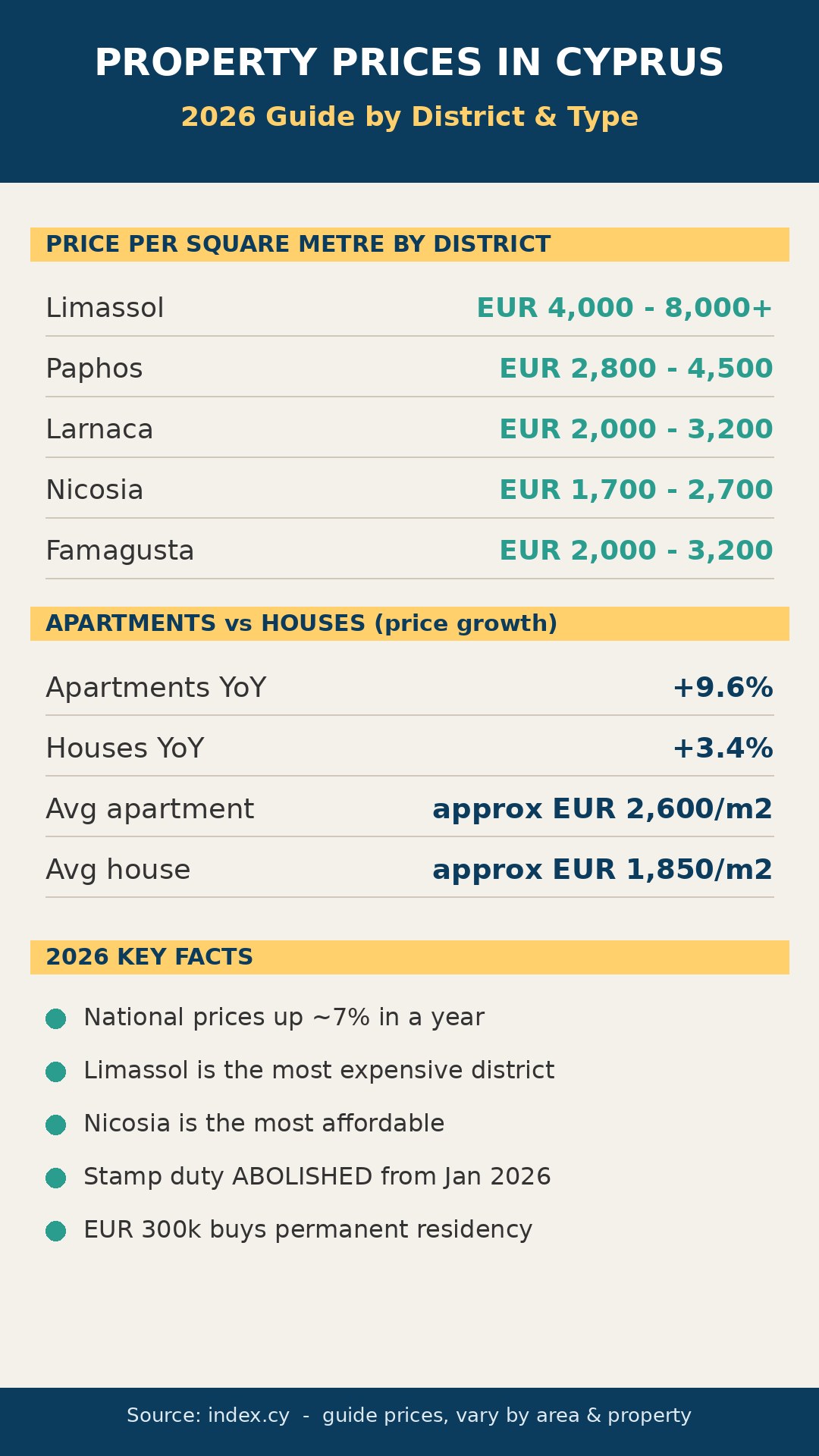
Cyprus has five districts, and the gap between the most and least expensive is wide. Limassol leads by a clear margin, while Nicosia and Famagusta offer the most affordable entry points. The table below shows typical 2026 price ranges per square metre alongside median asking prices for homes.
| District | Typical price per m² (2026) | Median home asking price |
|---|---|---|
| Limassol | €4,000 – €8,000+ | ~€650,000 |
| Paphos | €2,800 – €4,500 | ~€600,000 |
| Larnaca | €2,000 – €3,200 | ~€350,000 |
| Nicosia | €1,700 – €2,700 | ~€357,000 |
| Famagusta (Paralimni/Ayia Napa) | €2,000 – €3,200 | ~€300,000 |
Limassol is the most expensive district by far. Premium new-build and seafront properties routinely command €4,500–€8,000 per square metre or more, driven by international buyers, the marina, and a strong business and tech sector. Browse current properties for sale in Limassol to see how quickly prices climb near the coast.
Paphos offers a more affordable coastal alternative and has posted some of the island’s strongest recent growth. Median asking prices look high because of luxury villa stock, but everyday apartments remain reasonable. See properties for sale in Paphos for the full spread.
Larnaca is the value coastal district, with a major port and marina redevelopment underway. Nicosia, the inland capital, remains the most affordable place to buy a home outright, with older resale apartments often between €1,700 and €2,400 per square metre. Famagusta — the Paralimni and Ayia Napa area — is holiday-driven and was the only district with broadly flat prices in late 2025.
Apartment vs House Prices in Cyprus
One of the most important splits in the 2026 market is between apartments and houses, because they are moving in very different directions.
In the fourth quarter of 2025, apartment prices across Cyprus rose 9.61% year-on-year, while house prices increased a more modest 3.40%. Apartments are where the heat is — they suit foreign buyers, investors, and holiday-let owners, and most new urban supply is apartments rather than detached homes.
This is why a per-square-metre comparison can mislead. Apartments cost more per square metre but less in total, because they are smaller. Houses cost less per square metre but more overall, because you are also buying land. If you are weighing the two, our dedicated house prices in Cyprus guide goes deeper on detached homes, and you can compare live stock of apartments for sale and houses for sale side by side. For per-square-metre detail, index.cy’s average price per m² for houses is a useful reference.
What’s Driving Property Prices in Cyprus in 2026?
Three forces explain why Cyprus property prices keep rising despite higher interest rates across Europe.
First, foreign demand. Cyprus continues to attract British, Israeli, Lebanese, and other international buyers drawn by the climate, English-speaking environment, tax regime, and residency options. This demand concentrates in Limassol and Paphos, lifting prices fastest there.
Second, constrained supply. New construction has been slow to catch up, and the pipeline of finished homes has grown only gradually. When demand outpaces supply, prices rise.
Third, high construction costs. Building materials and labour have stayed at historically elevated levels, which raises the floor under new-build prices and feeds through to resale values too. Together, these factors pushed the national index up 7% in a single year. For a fuller picture of where the market is heading, read our companion Cyprus property market 2026 analysis.
The video below offers a useful visual overview of the Cyprus market and where buyers are focusing in 2026.
The Real Cost of Buying: Taxes, Fees and Extra Costs
Sticker price is only part of the story. The good news for 2026 buyers is that stamp duty has been abolished as of January 2026, removing a cost that previously applied to the purchase contract. The remaining costs to budget for are:
- Transfer fees — charged on a sliding scale of 3%, 5%, and 8% by property value, with a 50% reduction on resale properties. These fees are waived entirely if VAT was paid on the property.
- VAT — 19% standard, reduced to 5% on the first 130 m² of a first main residence for eligible buyers.
- Legal fees — typically 1–2% of the purchase price for an independent lawyer to handle due diligence and title checks.
- Agent and registration costs — modest, but worth confirming up front.
As a rule of thumb, budget an extra 6–12% on top of the purchase price for a resale home, and less when buying new with VAT already accounted for. Foreign buyers should also read our guide to buying property in Cyprus as a foreigner, which covers the permission and process steps in detail.
Are Cyprus Property Prices Worth It? Yields and Outlook
Rising prices raise the obvious question: is now a sensible time to buy? The investment case in Cyprus rests on more than capital growth.
Rental yields remain healthy. Long-term residential lets typically return 4–6% gross, while short-term holiday rentals in tourist hotspots can reach double digits during peak season. Combined with annual price appreciation that has run between 3% and 10% depending on district and property type, total returns have been strong.
The outlook for 2026 is for continued but gradually moderating growth, with Limassol, Paphos, and Larnaca expected to outperform Nicosia and Famagusta. Buyers spending €300,000 or more may also qualify for Cyprus permanent residency, which adds appeal for non-EU investors. Before committing to any property, run the numbers with an instant property report to benchmark it against comparable sales and rental data.
How to Check Property Prices in Cyprus the Smart Way
The single biggest mistake buyers make is judging value from one or two listings. Asking prices are not transaction prices, and a marina penthouse skews any average it touches.
A better approach is to compare like with like across the whole market rather than a single agency’s stock. On index.cy you can filter listings by district, type, size, and price, and cross-reference them against the platform’s insights pages, which aggregate real data on average prices per district and property type. That combination — broad live listings plus aggregated price data — is the most reliable way to know whether a given price is fair.
When you do find a property, verify the title deeds, confirm there are no outstanding charges, and use an independent lawyer and inspector. Cyprus is a safe place to buy, but the buyers who do best treat due diligence as non-negotiable.
Frequently Asked Questions
What is the average property price in Cyprus in 2026? The average is roughly €2,400 per square metre island-wide — about €2,600 for apartments and €1,850 for houses. Median home asking prices range from around €350,000 in Nicosia and Larnaca to €650,000 in Limassol.
Are property prices in Cyprus rising or falling? Rising. The Central Bank of Cyprus recorded a 7.06% annual increase by Q4 2025, led by apartments (+9.61%) and the Limassol district. Growth is expected to continue, though at a gradually moderating pace, through 2026.
Which district has the cheapest property prices in Cyprus? Nicosia, the inland capital, is generally the most affordable for buying a home, with older resale apartments often between €1,700 and €2,400 per square metre. Famagusta and parts of Larnaca also offer value.
Why are property prices in Cyprus so high? Strong foreign demand, limited new supply, and historically high construction costs are pushing prices up — especially in Limassol and Paphos, where international buyers concentrate.
Final Thoughts
Property prices in Cyprus in 2026 reflect a market that is confident, foreign-driven, and still climbing — but deeply uneven across districts and property types. Limassol commands a premium, Nicosia and Famagusta offer value, apartments are outpacing houses, and the abolition of stamp duty has made the overall cost of buying a little lighter.
The smartest buyers do not chase averages; they compare real listings against real data. Start your research with the full range of property for sale in Cyprus on index.cy — Cyprus’s #1 real estate marketplace — and use the insights pages, tools, and guides above to judge any price with confidence.
External references: Central Bank of Cyprus Residential Property Price Index, Global Property Guide — Cyprus price history, and Cyprus Mail.
Keep reading
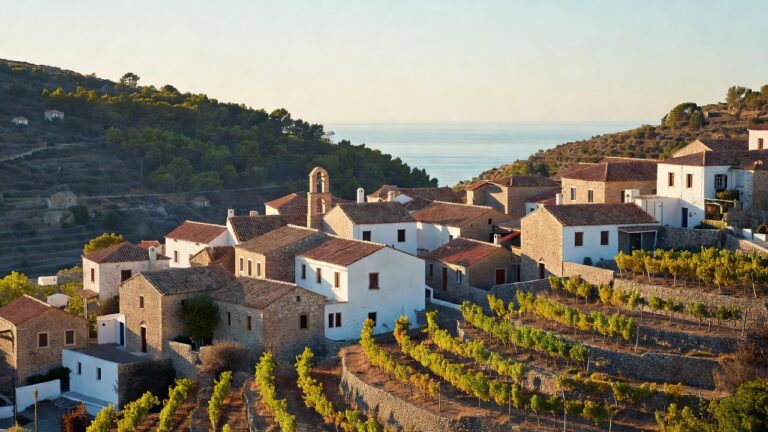
We analysed 217 Erimi, Limassol listings: 105 apartments, 81 houses and 24 plots. Median 2-bed flat EUR295,000. See prices, the repeat-advert trap…
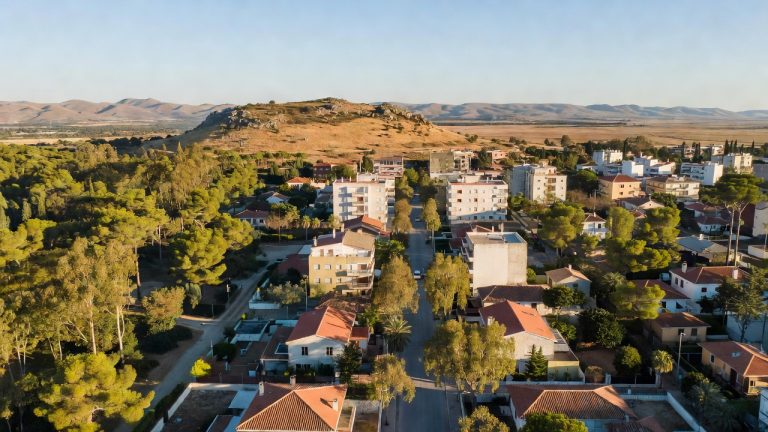
We analysed 319 Aglantzia, Nicosia listings: 155 apartments, 34 houses and 38 plots. Median 2-bed costs EUR257,500. See prices, rents and what…
We analysed 387 Egkomi (Engomi), Nicosia listings: 169 apartments, 73 houses and 99 rentals. Median 2-bed costs EUR285,000. See prices, rents and…