
What this guide covers
- The Scope of the Problem Across Cyprus
- Lessons from Across Europe
- Creating a Clear Registry of Empty and At-Risk Buildings
- Balancing Incentives with Owner Responsibilities
- Revitalizing Communities Beyond Housing
- Streamlining Permits to Accelerate Renovations
- Leveraging the EU’s Renovation Wave Initiative
- Tracking Progress With Transparency
Reviving Cyprus: How 30,000 Empty Buildings Could Solve the Housing Challenge
Cyprus holds a hidden opportunity within its borders: an estimated 30,000 buildings are vacant and underutilized. According to the Cyprus Scientific and Technical Chamber (ETEK), these empty properties represent a significant potential boost to the island’s housing availability.
This supply could be particularly valuable for renters and those priced out of purchasing property, helping ease the ongoing affordability dilemma.
The Scope of the Problem Across Cyprus
Charalambos Theopemptou, former chairman of the parliamentary Environment Committee, first spotted this issue upon moving to Agios Andreas in Nicosia, where numerous abandoned buildings—ranging from old mansions to modest homes—lie dormant.
His investigation revealed that vacant properties are spread throughout both urban centers like Nicosia and rural areas, all while housing costs remain a persistent worry for many.
Lessons from Across Europe
Examining other European Union nations’ approaches uncovers actionable models for Cyprus:
- Ireland offers renovation grants up to €70,000 for restoring derelict homes.
- France applies special taxes on long-term empty homes, particularly in high-demand zones.
- Spain empowers municipalities to levy additional property tax charges on empty houses after prolonged vacancy.
- Portugal champions urban renewal with dedicated funds supporting building reuse.
Cyprus has made a start, with the Ministry of Interior providing renovation grants of up to €40,000 for qualifying homes. Yet, as Theopemptou suggests, more streamlined incentives could jumpstart this revival without heavy bureaucracy.
Creating a Clear Registry of Empty and At-Risk Buildings
A key recommendation is establishing a comprehensive national register categorizing vacant, abandoned, and hazardous buildings. Differentiating between these categories is crucial: not every empty building is abandoned, and some hold historic or architectural significance requiring special care.
The register would assess renovation feasibility, proximity to schools or transport, and the demand for affordable housing nearby. This strategic database would empower local authorities to prioritize redevelopment efforts systematically rather than reacting case-by-case.
Balancing Incentives with Owner Responsibilities
Owners willing to renovate should gain access to expedited advice, simplified bureaucratic processes, and targeted financial aid. Cyprus’s ongoing energy efficiency initiatives, such as Exoikonomo – Anavathmizo, could be tailored to prioritize renovations of vacant properties, boosting energy upgrades alongside habitability.
Revitalizing Communities Beyond Housing
Rehabilitated buildings could serve broader community needs by creating affordable housing for students and low-income groups, as well as providing space for local shops and cultural venues. Such amenities can reduce reliance on cars and invigorate neighborhood life.
Partnerships between local governments, property owners, and social enterprises—along with the adaptive reuse of unused public buildings—might provide sustainable, community-focused solutions without relying solely on new construction.
Streamlining Permits to Accelerate Renovations
Many abandoned buildings may only need minor repairs like structural checks, clearing hazards, or utility reconnections rather than full redevelopment. Expedited planning approvals for these moderate-scale projects could make renovation more appealing for investors and homeowners alike.
Leveraging the EU’s Renovation Wave Initiative
Cyprus stands to benefit from the European Commission’s Renovation Wave, aiming to renovate 35 million buildings by 2030. Localized, streamlined projects supported by European funds can align housing policy with urban regeneration and energy efficiency goals.
Tracking Progress With Transparency
Published data on vacant properties—number identified, renovated, or converted for social purposes—will help monitor policy success and justify continued funding.
Theopemptou emphasizes that abandoned buildings impact more than neighbourhood aesthetics; they affect safety, community cohesion, and access to homes.
By turning these dormant structures into livable spaces, Cyprus could add much-needed homes while revitalizing neighborhoods. The critical next step involves creating a clear framework covering identification, incentives, regulations, and delivery.
For those interested in exploring affordable home options while this transformation unfolds, explore our section on Cheap Apartments for Sale Cyprus and Houses for Sale in Cyprus.
Keep reading

We analysed 249 Kouklia, Paphos listings: 210 houses, 20 plots and 6 apartments. Median 2-bed house asks EUR397,000. See prices, plots and…
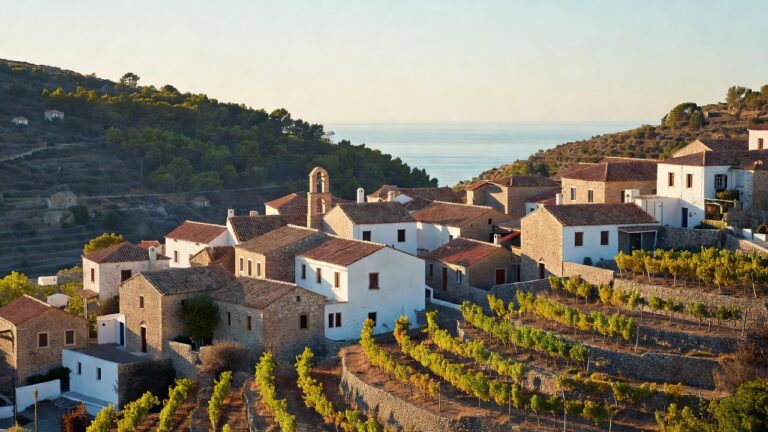
We analysed 217 Erimi, Limassol listings: 105 apartments, 81 houses and 24 plots. Median 2-bed flat EUR295,000. See prices, the repeat-advert trap…
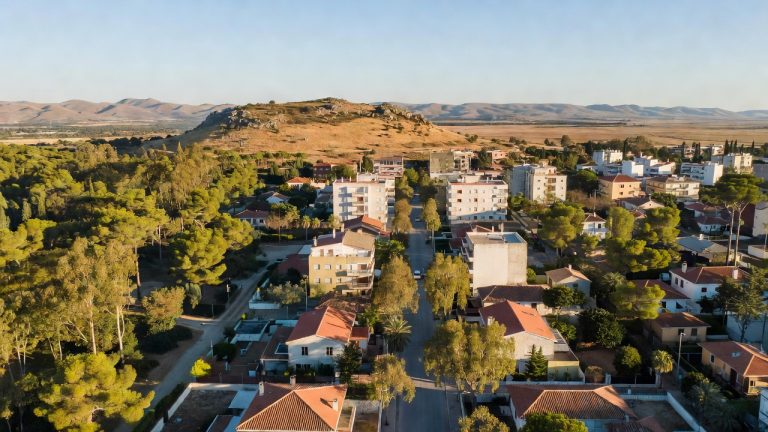
We analysed 319 Aglantzia, Nicosia listings: 155 apartments, 34 houses and 38 plots. Median 2-bed costs EUR257,500. See prices, rents and what…